
The impact of homelessness

Homelessness can be dangerous, isolating and has an impact on every aspect of a person’s life – their physical and mental health, their relationships and their future.

More than rough sleeping - HARP

Devastating consequences

The impact of homelessness reaches far beyond not having a roof. It’s profoundly isolating, strips away dignity and identity, and leaves deep psychological trauma. Children’s education suffers drastically – those who move home frequently achieve far worse exam results.

Without an address, people are locked out of banking, employment, and basic services. The longer it continues, the harder escape becomes as health deteriorates, debts mount, and barriers multiply.

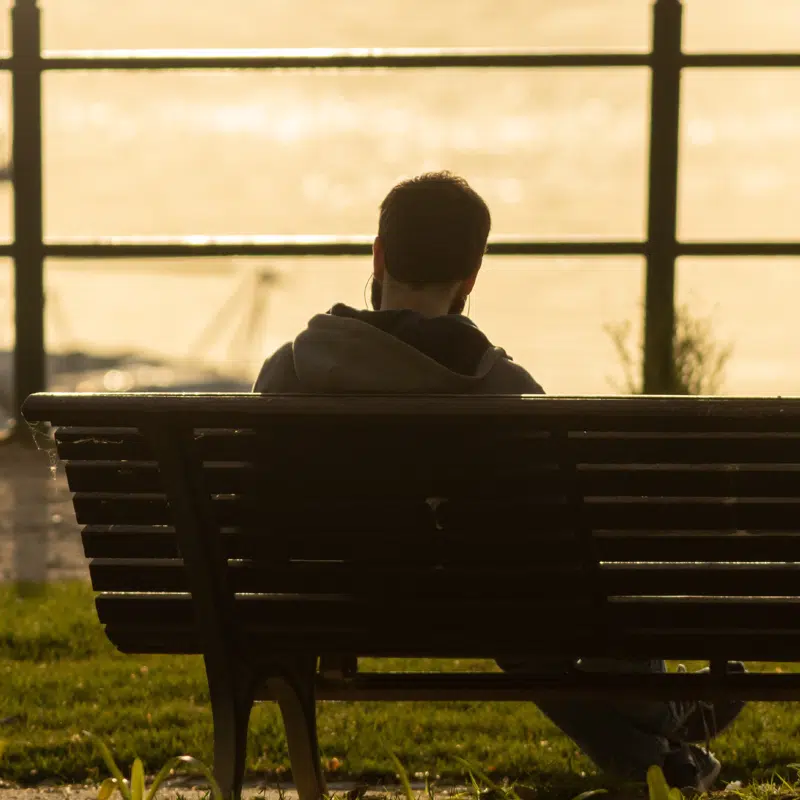
A man sits on a bench on his own.

Loneliness and isolation

Homelessness is profoundly isolating. Only a quarter of people living on the streets have a friend they could call on in an emergency. Relationships with family often break down, normal social activities become impossible, and the stigma makes people withdraw even further.

There’s a cruel paradox: you’re surrounded by people but deeply alone, visible on the street but invisible to those passing by. Three quarters of people experiencing hidden homelessness say it leaves them feeling lonelier and more isolated. Without meaningful connection, mental health deteriorates and the path back to stability becomes even harder to see.
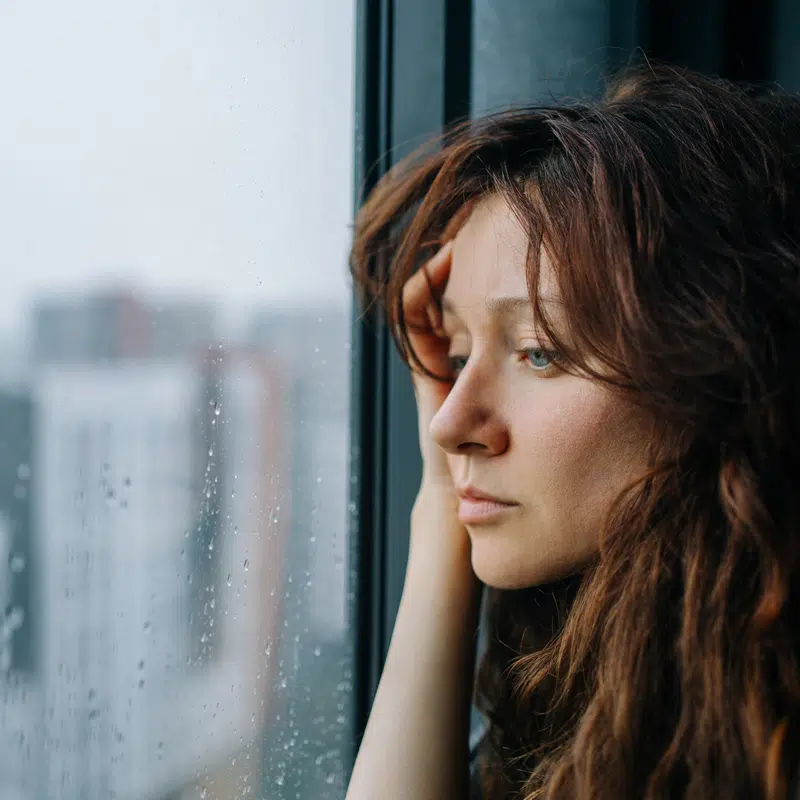

A woman looks our of a window

Invisibility

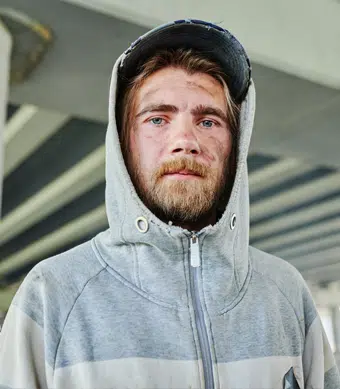
When you lose your home, you lose more than four walls. You lose privacy, personal space, and often your sense of self. There’s no dignity in having nowhere to wash, nowhere to keep your possessions, nowhere to just be. You become defined by your circumstances rather than who you are – people look through you or stare at you, but rarely see you as a whole person.

The psychological toll is immense. It’s hard to maintain self-worth when the world treats you as less than. Rebuilding that sense of identity and dignity is as important as finding housing – sustainable recovery requires believing you deserve better.

Hands clasped on a lap

Violence and Trauma

Living on the streets is traumatic. People sleeping rough are nearly 17 times more likely to experience violence than the general population. The constant threat, the hypervigilance needed to stay safe, the sleep deprivation from never feeling secure – it all takes a severe psychological toll.

People often develop symptoms of PTSD that don’t end when they get housed. The trauma can take years of support to process, and for many it compounds existing wounds from abuse or childhood adversity. Breaking the cycle requires trauma-informed support that recognizes the deep psychological scars homelessness leaves behind.

pexels-ryan-fatalla-96314-7681314

Impact on Families and Children

Homelessness has a serious impact on children and families. In England, over 169,000 children live in temporary accommodation, often far from school and support networks. Without a secure home, life becomes uncertain, affecting health, education and a child’s sense of safety. With the right support, families can begin to rebuild stability, but the impact can last.

Getting and keeping a job

A step forward towards stability

Finding and keeping a job is often a key step towards stability, but people facing homelessness can meet real barriers. This can include stigma, poor health, gaps in work history, or not having a fixed address.

Research from Crisis found that 4 in 10 employers would end someone’s contract if they discovered they were homeless. This can make it harder to move forward.

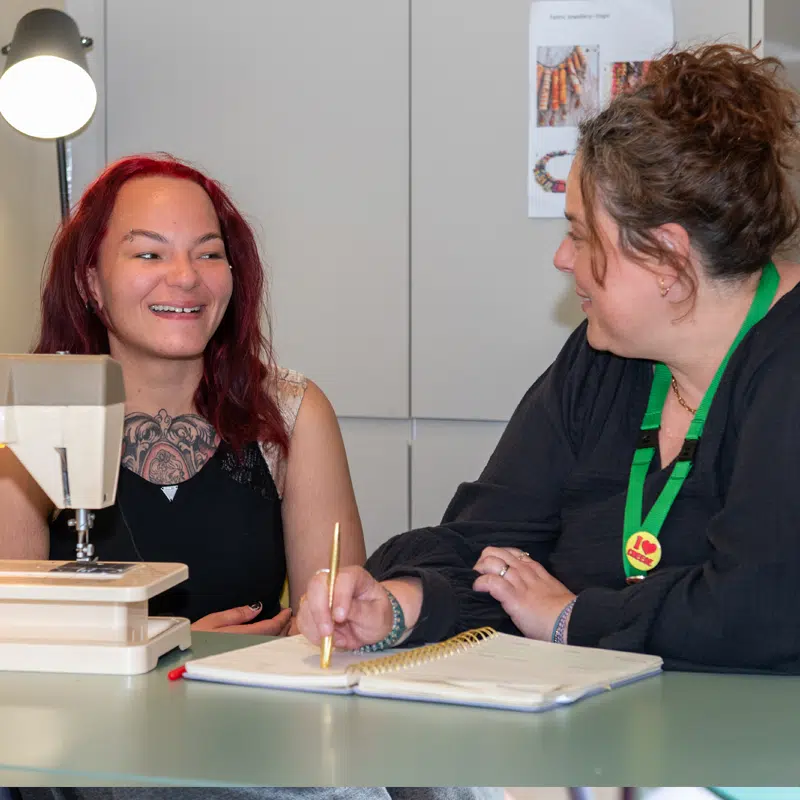
Through funding from the UK Shared Prosperity Fund, HARP’s Employment, Training and Education Programme supports people to build confidence, develop skills and access opportunities – helping them take steps towards independence and work.