


What is homelessness?

Homelessness is on the rise, and it’s not just about people living on the streets – it takes many different forms.

More than rough sleeping - HARP

More than rough sleeping

When people think of homelessness, they often picture someone sleeping on the streets. But it’s not always visible.

Homelessness can take many forms and it’s on the rise. It means not having a safe, secure place to call home. Without that stability, everyday life becomes uncertain – from having somewhere to sleep to accessing food and support. Life becomes about survival.

Donate
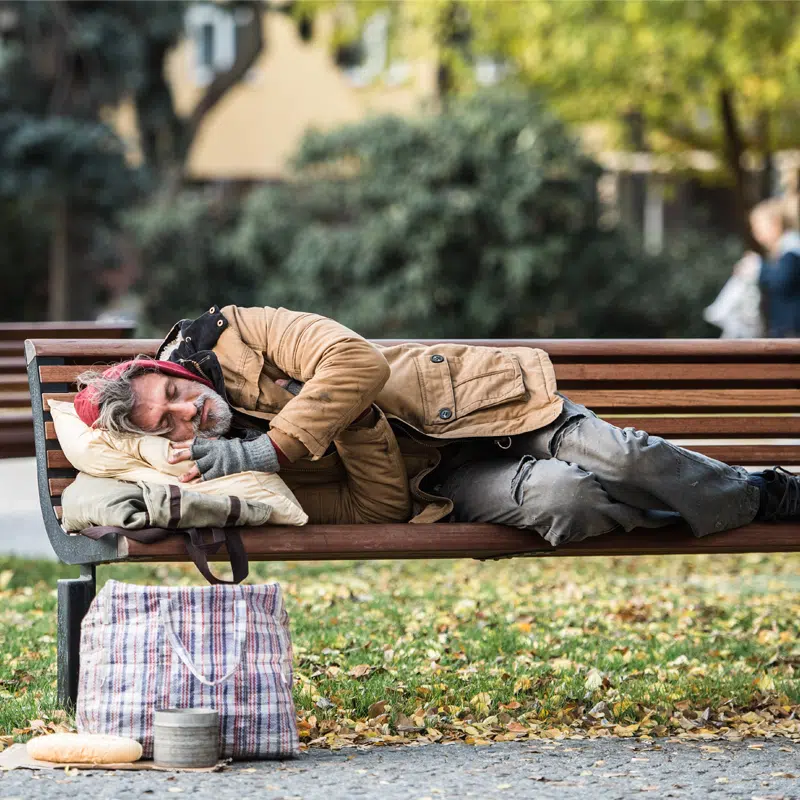
A man sleeps on a park bench in the day time. He is using bags as a pillow and has other bags with him.

Rough Sleeping

Sleeping on the streets is the most visible, and often the most distressing, form of homelessness. The longer someone is exposed to sleeping rough, the harder it becomes to recover. People can experience trauma, violence, declining mental health, or substance misuse as they try to survive life outdoors.

On any given night, in Autumn 2025, an estimated 4,793 people are sleeping rough in England – though the true number is likely higher. Surveys often miss people, and women experiencing rough sleeping are particularly undercounted – a hidden crisis within an already urgent issue.
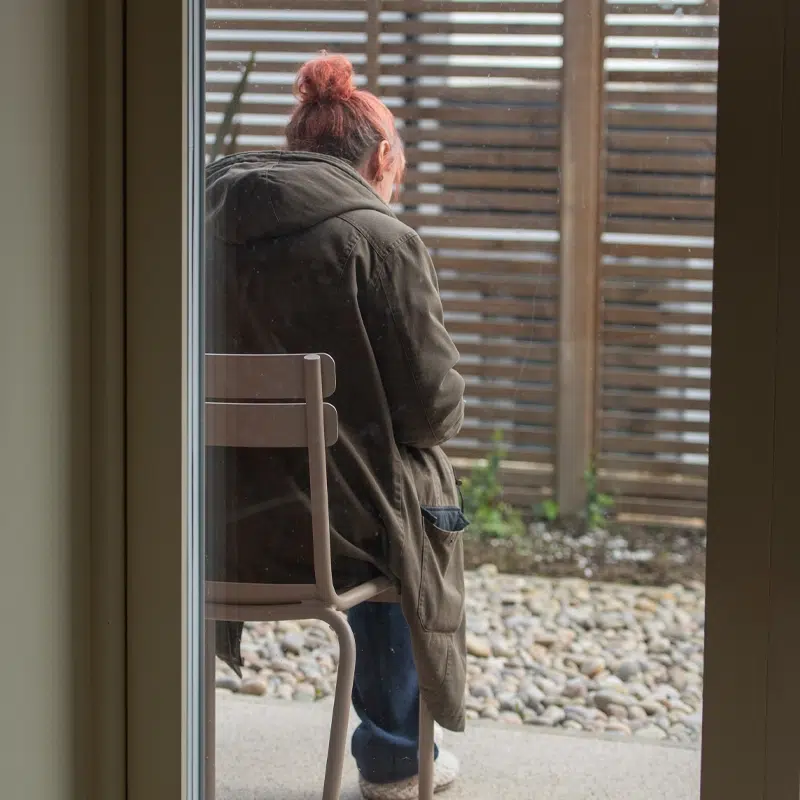

A view from inside looking at a woman wearing a coat who is sitting outside with her back to the viewer

Hidden homelessness

Beyond the visible numbers, there are countless more individuals who make up the “hidden homeless” population – those without a permanent home who don’t meet the statutory definition of homelessness. This group includes people living in overcrowded accommodations or moving between unsuitable places, often referred to as “sofa surfing.”

While there’s no reliable data on exactly how many people live like this, estimates suggest that the number reaches into the tens of thousands. Their stories often go unseen, but their need for secure housing is just as urgent.

A man has his hand on his chin a nd looks like he is reading something serious

Statutory homeless

In England latest data shows that record numbers of households are living in temporary accommodation. A total of 134,760 households as of September 2025 – a record-high and 7% higher than the previous year.

Many of these families live in poor-quality or overcrowded spaces, constantly moving between short-term housing without stability. This instability disrupts children’s education and damages people’s mental health. Access to help is also uneven. Migrants, prison leavers, and people facing addiction or with other complex needs often struggle to get the support they need.

RS744_76

On the Brink

The increased cost of living means the risk of homelessness is rising. In England, around 382,000 people are experiencing homelessness, including families in temporary accommodation.
Homelessness can have a serious impact on health and wellbeing, both now and over time. It makes it harder find housing in the long-term. That’s why early, consistent support like we offer really matters.

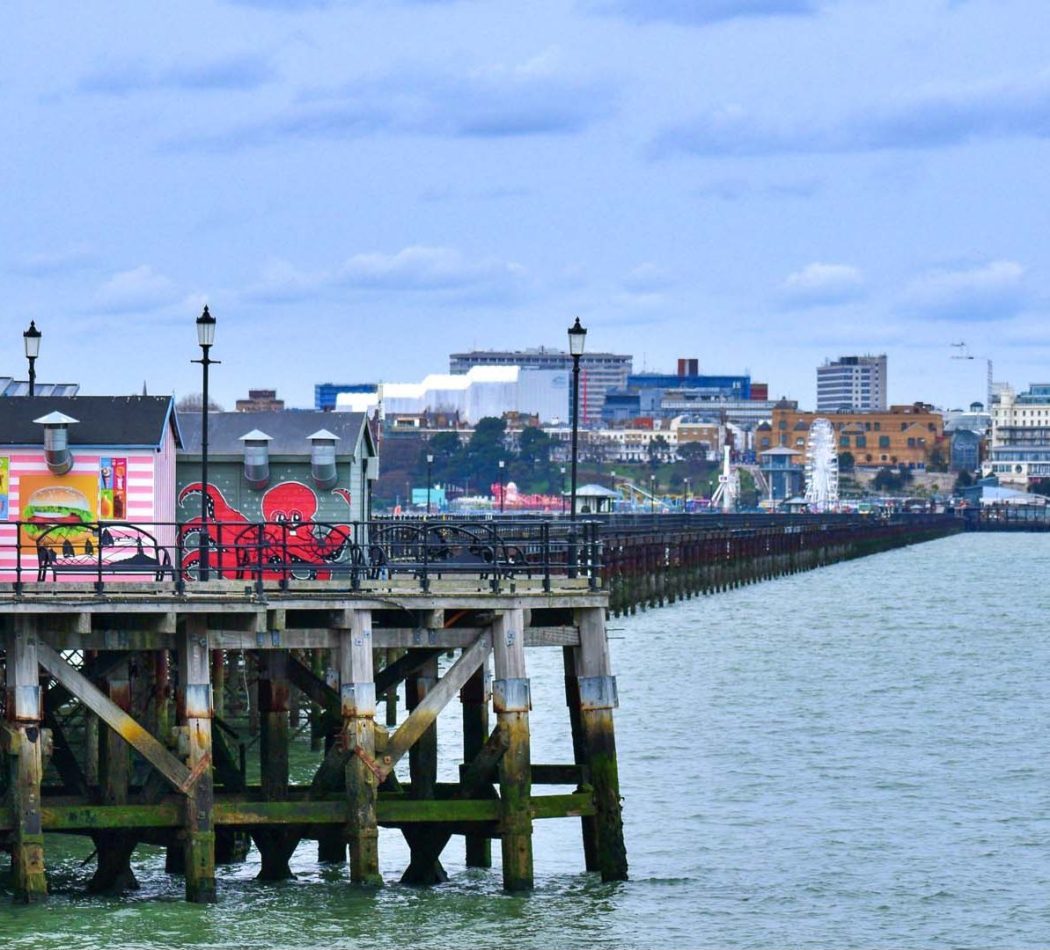
Image of Southend Sea Front.

Why does Southend have a high level of homelessness?

Understanding the local challenge

Southend is a busy seaside city with strong links to London and a population of over 180,000. Known for its pier, airport, university and cultural scene, it’s an exciting place to live.
But Southend also faces real challenges, including homelessness, poverty and inequality. Some neighbourhoods are among the most deprived 10% in the country and the gap between wealth and poverty is stark. This has a direct impact on people’s ability to find and keep a safe, affordable home.